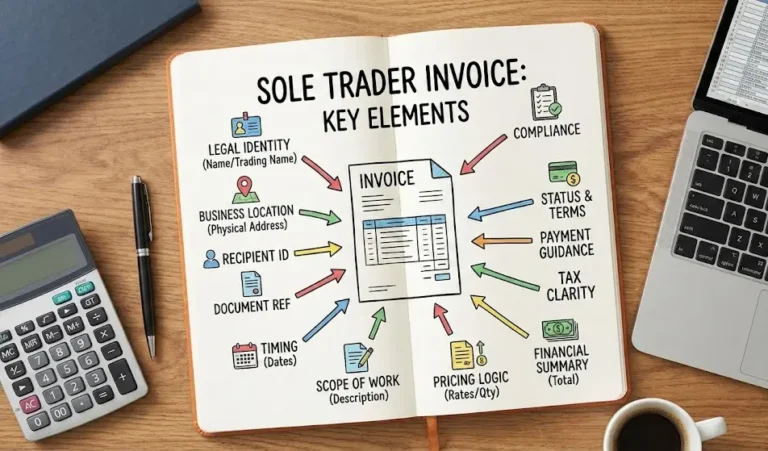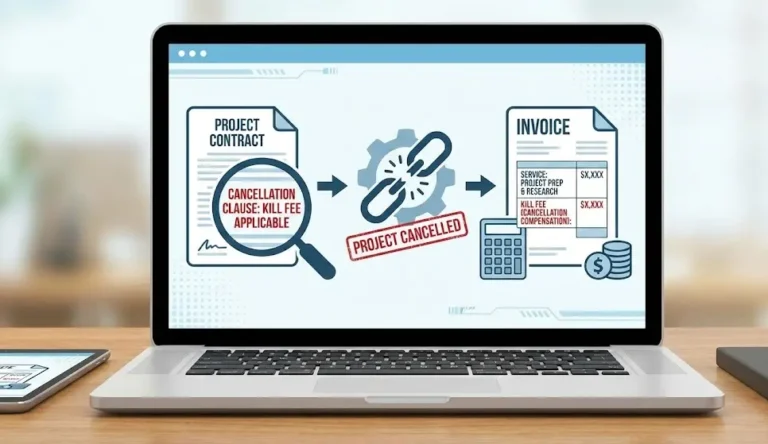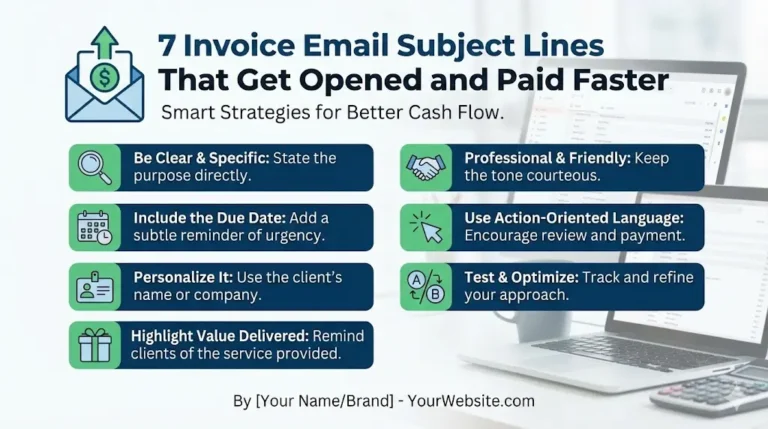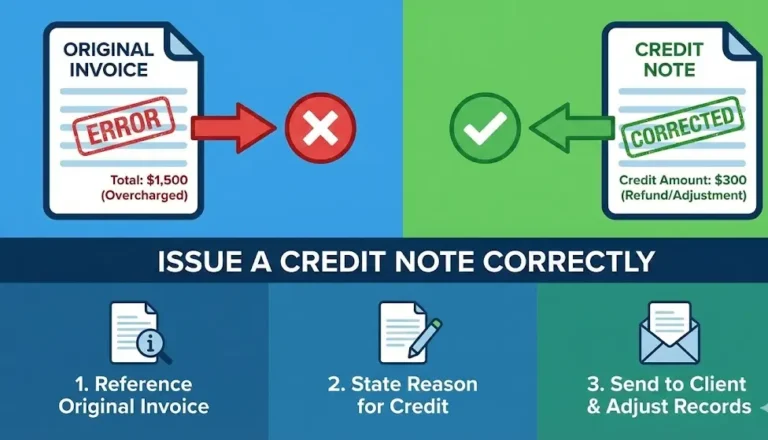
Invoicing is a core business process that ensures timely payment for products or services. Businesses typically choose between two methods: manual invoicing and online invoicing systems. Each approach has its own advantages and limitations depending on business size, workload, and operational needs. This article provides an informational comparison to help businesses understand how these two invoicing methods differ.
What Is Manual Invoicing?
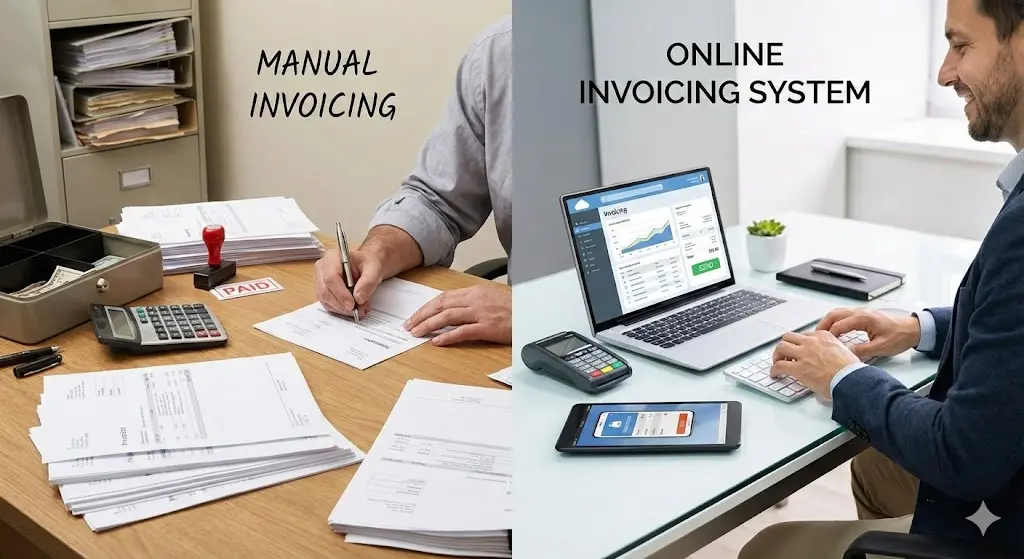
Manual invoicing involves creating invoices by hand or using basic tools such as paper, word processors, or spreadsheets. The process usually includes entering client details, calculating totals, printing or emailing invoices, and tracking payments manually.
This method has traditionally been used by small businesses and sole proprietors, especially those with a low volume of transactions.
What Is an Online Invoicing System?
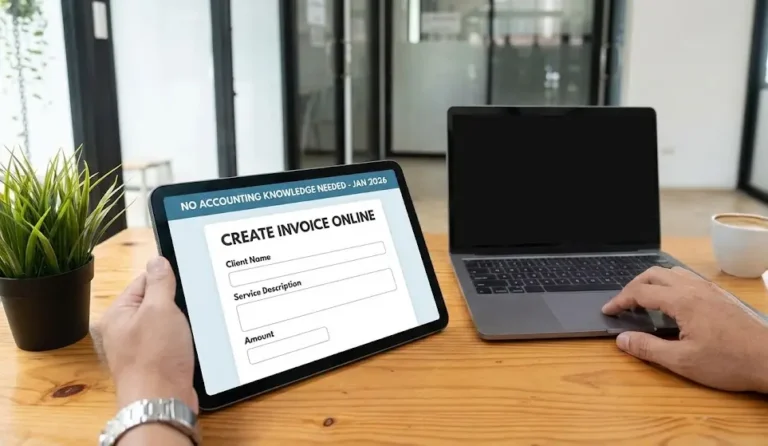
An online invoicing system is a digital platform that automates the creation, delivery, and management of invoices. These systems are typically cloud-based and allow users to generate invoices, track payments, send reminders, and store records electronically.
Online invoicing systems are commonly used by businesses seeking efficiency, automation, and better financial visibility.
Ease of Use and Time Efficiency
Manual invoicing requires repetitive data entry and manual calculations, which can be time-consuming. Each invoice must be created individually, and tracking payments often involves maintaining separate records.
Online invoicing systems significantly reduce time spent on invoicing. Templates, saved client data, and automatic calculations allow invoices to be created quickly. Payment tracking is updated in real time, minimizing administrative work.
Accuracy and Error Reduction
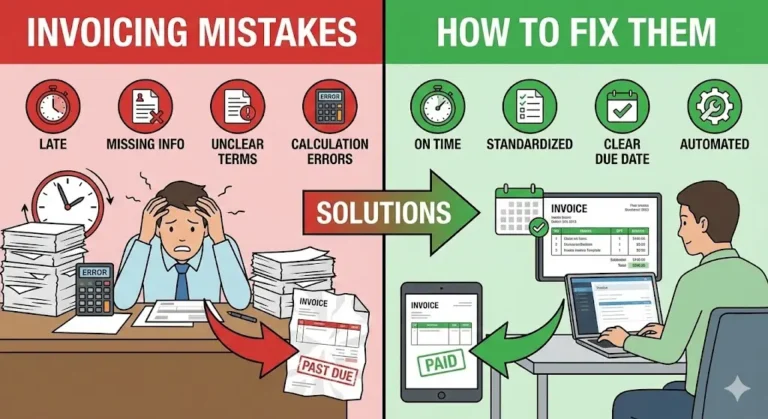
Manual invoicing increases the risk of human error. Common mistakes include incorrect calculations, missing information, and inconsistent formatting. These errors can lead to disputes or delayed payments.
Online invoicing systems automatically calculate totals, taxes, and discounts, reducing errors. Built-in validation features ensure required fields are completed before invoices are sent.
Professional Appearance
Manual invoices can appear inconsistent if formatting varies across documents. Without design tools, invoices may look plain or unpolished.
Online invoicing systems offer professionally designed templates and branding options. Businesses can include logos, consistent layouts, and standardized formats, enhancing credibility and brand image.
Payment Processing
With manual invoicing, payments are often handled separately. Clients may need to use bank transfers, checks, or cash, which can delay payment and complicate tracking.
Online invoicing systems often integrate payment gateways, allowing clients to pay directly through the invoice. This convenience typically results in faster payments and easier reconciliation.
Tracking and Record Management
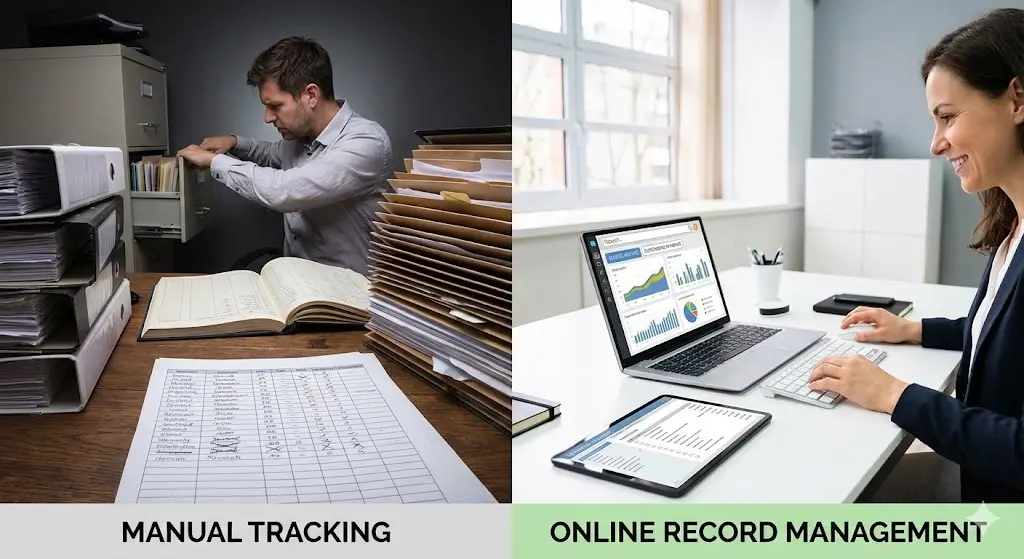
Manual invoicing requires separate systems for tracking paid and unpaid invoices, often using spreadsheets or physical files. Searching for past invoices can be time-consuming.
Online invoicing systems store all invoices in one centralized location. Users can quickly search records, generate reports, and monitor outstanding payments, improving financial organization.
Cost Considerations
Manual invoicing generally has lower upfront costs, as it relies on basic tools that businesses may already have. However, hidden costs include time spent on administrative tasks and potential errors.
Online invoicing systems may involve subscription fees. However, the time saved, improved accuracy, and faster payment cycles can offset these costs, especially for growing businesses.
Scalability
Manual invoicing can become inefficient as a business grows. Increasing transaction volumes make it harder to manage invoices and track payments accurately.
Online invoicing systems are designed to scale. They support recurring invoices, multiple clients, and higher transaction volumes without significantly increasing workload.
Security and Data Backup
Manual invoicing relies on physical or local digital storage, which may be vulnerable to loss, damage, or unauthorized access.
Online invoicing systems typically use secure servers, encryption, and automatic backups, reducing the risk of data loss and improving data security.
Which Option Is Right for Your Business?
Manual invoicing may be suitable for very small businesses with minimal invoicing needs and limited budgets. Online invoicing systems are better suited for businesses seeking efficiency, automation, and professional presentation.
The choice depends on factors such as transaction volume, available resources, and long-term business goals.
Conclusion
Both manual invoicing and online invoicing systems serve the same purpose but differ significantly in efficiency, accuracy, and scalability. Manual invoicing offers simplicity and low initial cost, while online invoicing systems provide automation, professional presentation, and improved financial control. Understanding these differences helps businesses select the invoicing method that best supports their operations and growth.