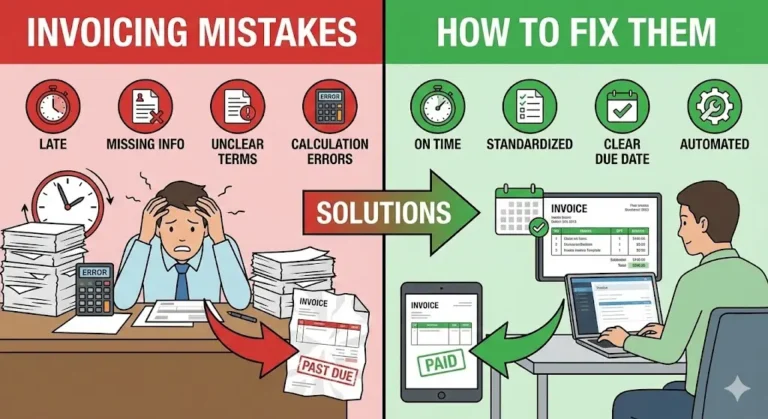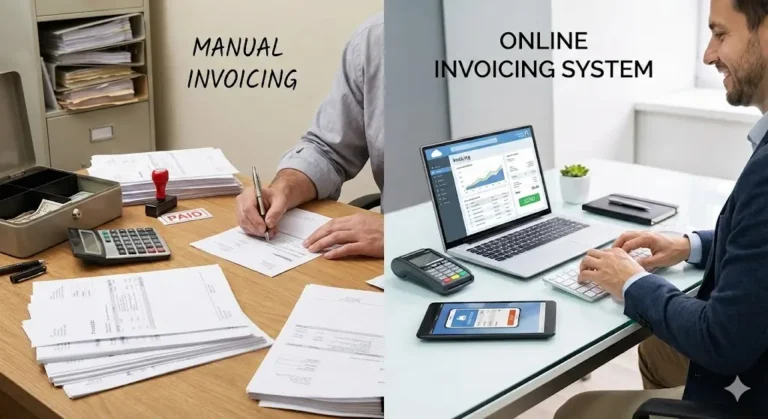
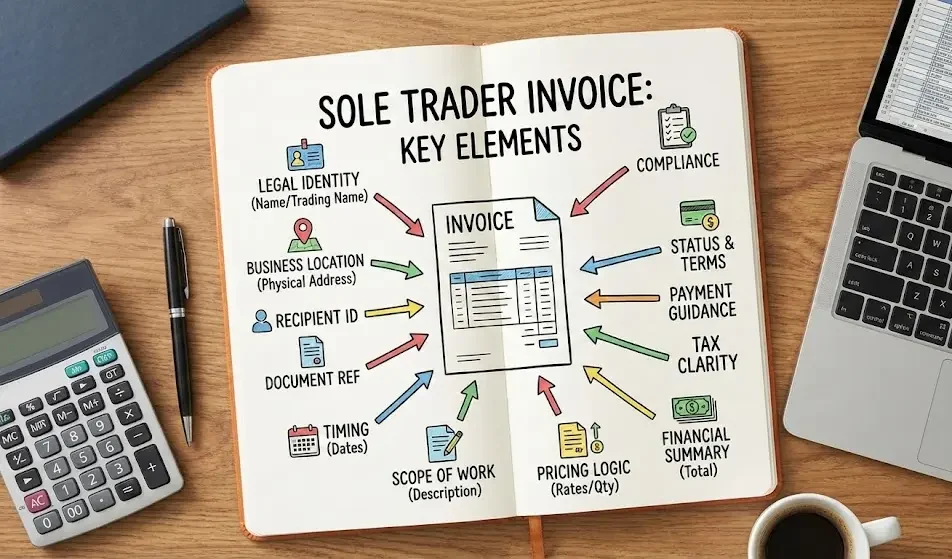
For sole traders, invoicing is closely tied to legal responsibility and financial accountability. Because a sole trader and the business are legally the same entity, invoices play an important role in documenting income, supporting tax reporting, and clarifying commercial relationships. An invoice must therefore contain specific information to ensure it is complete, understandable, and compliant. This article explains the key elements that should appear on a sole trader’s invoice and why each one matters.
Legal Identity Visibility
A sole trader invoice must clearly show who is legally issuing the invoice. Unlike limited companies, sole traders do not have a separate legal identity from the individual. As a result, invoices should display the individual’s legal name in a way that leaves no ambiguity. Even when operating under a trading name, the legal name is typically required to appear on the invoice to establish responsibility for the transaction.
This clarity protects both parties by ensuring there is no uncertainty about who is providing the service or goods.
Business Location Details
Invoices should indicate where the business is based. This usually means showing a physical address rather than only an email address or phone number. Including a business location supports transparency and is often required for legal or tax purposes. It also helps clients verify the legitimacy of the invoice and maintain accurate records.
Recipient Identification
An invoice should make it clear who is expected to pay. Including the recipient’s full name or business name helps avoid confusion, especially when clients handle multiple suppliers. Invoices that clearly identify the recipient are easier to process and less likely to be disputed or delayed.
Accurate recipient information also supports audit trails and financial reconciliation.
Document Referencing and Traceability
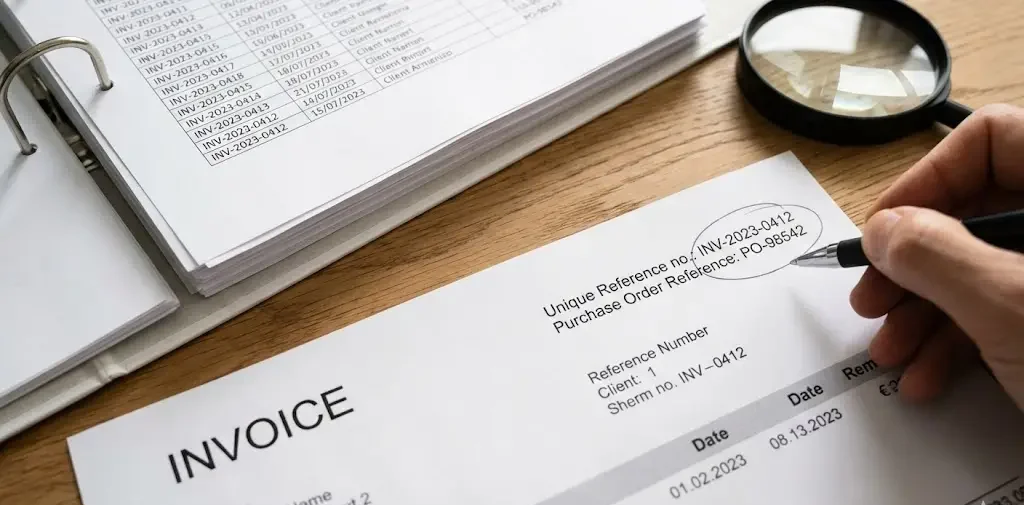
Invoices should contain reference details that allow them to be uniquely identified. This is essential for tracking payments, resolving disputes, and managing records over time. Without clear referencing, invoices can be misapplied or overlooked.
Traceability becomes increasingly important as a sole trader’s volume of work grows or when clients require detailed documentation for their own accounting systems.
Transaction Timing Information
Invoices should clearly communicate timing details related to the transaction. This includes when the invoice was created and the timeframe within which payment is expected. These details establish the financial period in which the income falls and help determine whether payment obligations have been met.
Clear timing information supports consistent cash flow management and accurate reporting.
Scope of Work or Supply Description
An invoice should explain the basis of the charge. This means clearly outlining what was delivered, completed, or supplied. Instead of generic wording, invoices should describe the nature of the work or items in a way that reflects the agreement between the parties.
This clarity helps prevent misunderstandings and gives clients confidence that the invoice accurately reflects the transaction.
Quantities, Rates, and Pricing Logic
Invoices should show how pricing is calculated. This may involve listing quantities, time spent, or agreed rates. Even when a flat fee is charged, presenting pricing logic helps clients understand how the total was reached.
Clear pricing breakdowns reduce the likelihood of disputes and demonstrate professionalism.
Financial Summary Presentation
Invoices should present financial information in a logical and readable way. Charges should lead clearly to a final payable amount, without forcing the reader to interpret or calculate figures themselves. A well-structured summary allows clients to quickly identify what is owed and reduces payment delays caused by confusion.
Tax Treatment Clarity
If tax applies to the transaction, the invoice must reflect this clearly. This includes showing how tax is applied and how it affects the total payable amount. Where tax does not apply, the invoice should not create ambiguity by implying otherwise.
Clear tax treatment on invoices supports compliance and protects both the sole trader and the client during financial reviews or audits.
Payment Guidance
Invoices should guide the client on how to complete payment. This includes indicating acceptable payment methods and any required references or identifiers. Clear guidance reduces the need for follow-up communication and speeds up payment processing.
Invoices that lack payment direction often lead to unnecessary delays.
Status and Terms Communication
Invoices may also include terms that clarify expectations, such as payment timeframes or conditions related to late payment. While not always legally required, including such information helps set professional boundaries and supports consistent cash flow.
Clear communication reduces misunderstandings and supports smoother client relationships.
Compliance Statements and Disclosures
Depending on jurisdiction, sole traders may be required to include certain disclosures on invoices. These may relate to business registration, tax status, or trading disclosures. Including required statements ensures the invoice meets regulatory standards and avoids compliance issues.
Sole traders should remain aware of local requirements and update invoices as regulations change.
Accuracy and Consistency Standards
Each invoice should reflect accurate information and follow a consistent format. Consistency helps clients recognize invoices quickly and supports efficient recordkeeping. Errors or inconsistencies can create long-term problems, especially during tax reporting or financial reviews.
Accurate invoices protect the sole trader’s credibility and financial records.
Record Retention Responsibility
Although not visible on the invoice itself, sole traders are responsible for retaining copies of invoices for a specified period. Complete and accurate invoices make long-term record retention easier and reduce stress during audits or reviews.
Well-documented invoices support financial clarity and compliance.
Conclusion
Sole trader invoices must meet specific requirements to ensure clarity, accountability, and compliance. By clearly identifying the seller and recipient, explaining charges, presenting financial information logically, and including required disclosures, sole traders can create invoices that serve both legal and practical purposes. A well-prepared invoice supports professional relationships, accurate records, and long-term business stability.