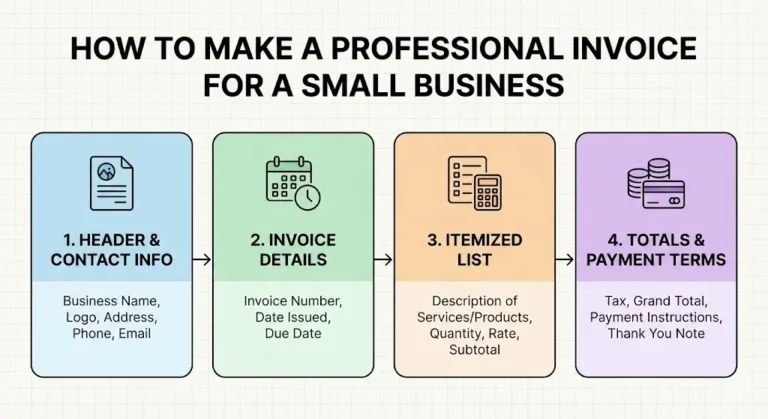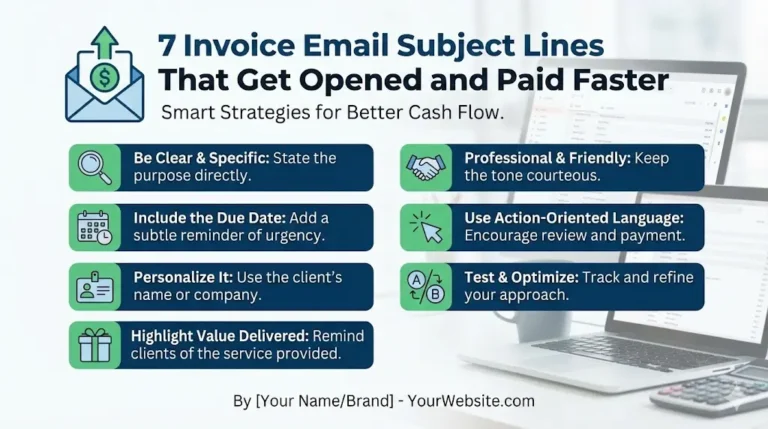
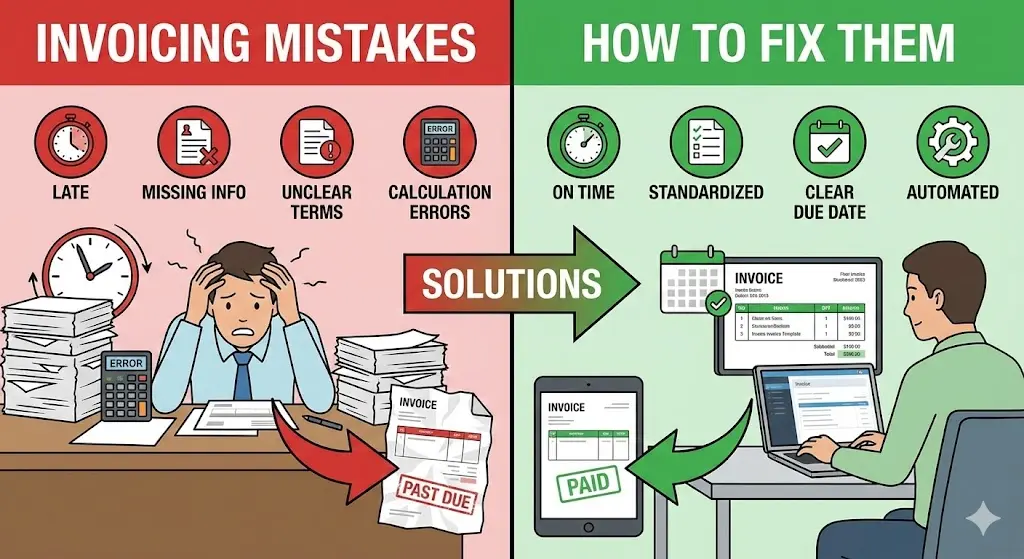
Invoicing is a fundamental part of running a small business. Accurate and timely invoices not only maintain healthy cash flow but also reflect professionalism and reliability. However, many small businesses face challenges due to common invoicing mistakes, which can lead to delayed payments, strained client relationships, and financial complications. This guide explores the most frequent invoicing errors and provides practical solutions to ensure smooth billing operations.
1. Delaying Invoice Submission
Sending invoices late is one of the most common errors. When invoices are not issued promptly, clients may overlook or deprioritize them, which slows down payments and disrupts cash flow.
Solution:
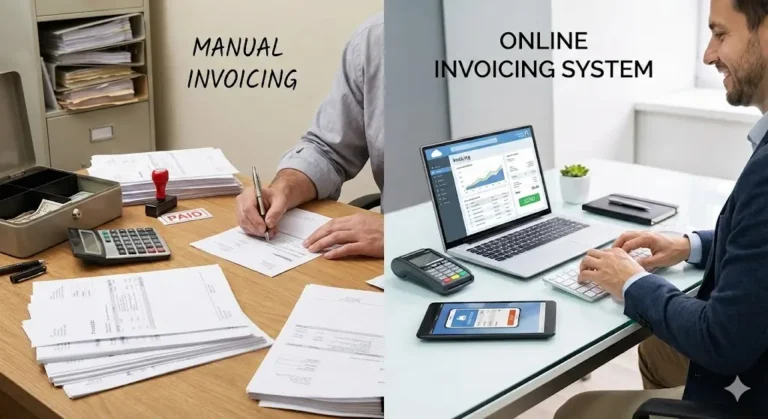
Establish a routine of sending invoices immediately after completing a service or delivering a product. Automate invoicing where possible, using software that generates invoices upon project completion to maintain consistency.
2. Missing or Incorrect Client Information
Invoices lacking essential details such as client names, addresses, or invoice numbers can confuse recipients and delay payment.
Solution:
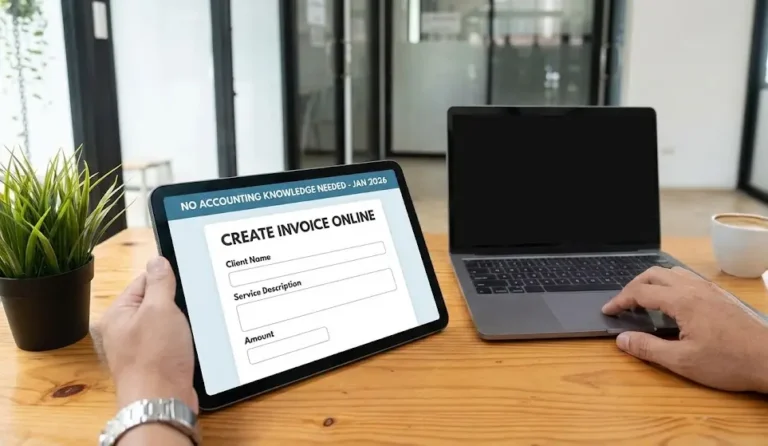
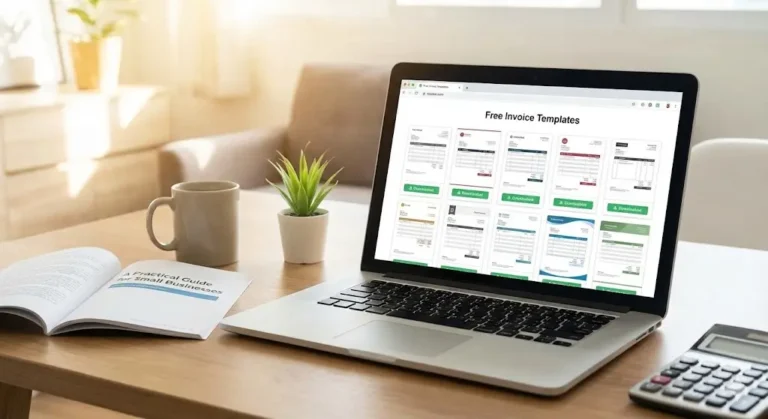
Use standardized invoice templates that include all necessary fields. Review each invoice carefully before sending to ensure that all client information is accurate and complete.
3. Unclear Payment Terms
Vague payment terms like “pay soon” can lead to misunderstandings about when payments are expected, potentially causing delays.
Solution:
Clearly state payment terms with specific due dates and accepted payment methods. For example, “Payment due within 15 days of invoice date” helps set clear expectations and reduces disputes.
4. Incorrect Pricing or Calculations
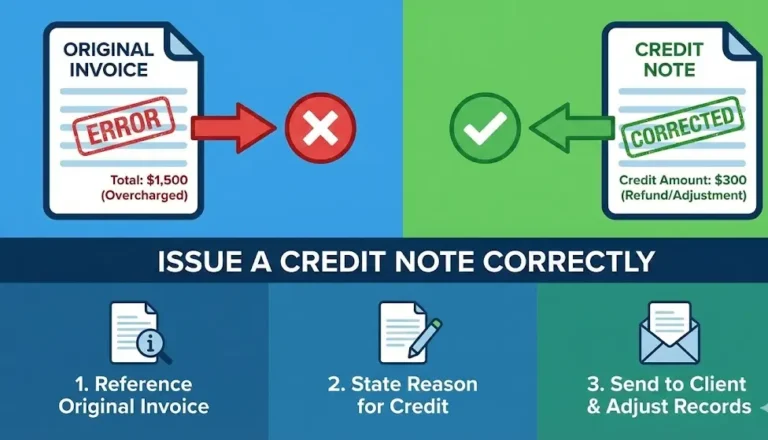
Errors in totals, taxes, or discounts can damage credibility and require corrections, delaying payments.
Solution:
Double-check all figures and consider using invoicing software that automatically calculates totals, taxes, and discounts to minimize mistakes and ensure accuracy.
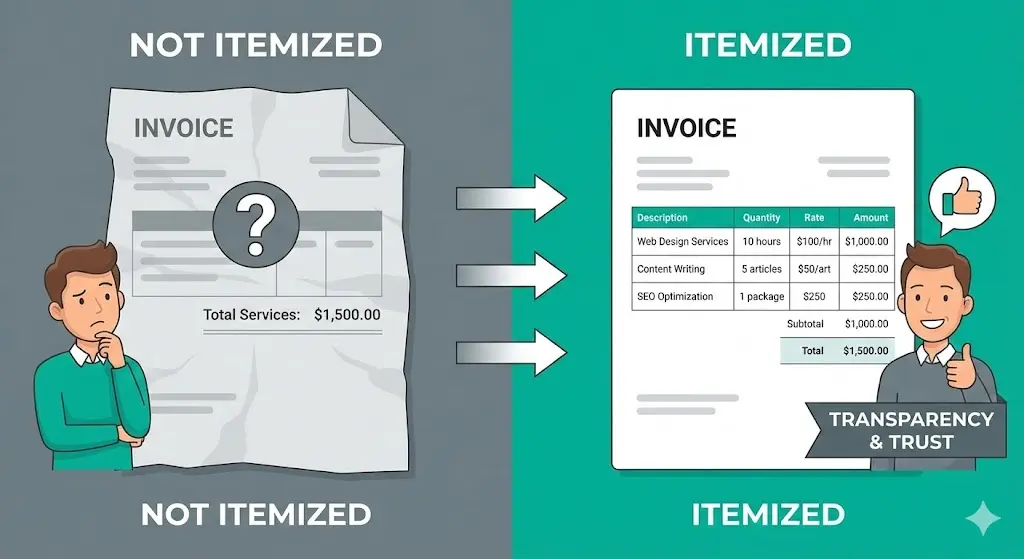
5. Lack of Itemization
Invoices that only show a total amount without breaking down services or products can cause clients to question charges and request clarifications.
Solution:
Include detailed line items for each service or product, including quantity, unit price, and brief descriptions. Itemization improves transparency and fosters client trust.
6. Inconsistent Invoice Formatting
Using multiple invoice formats can appear unprofessional and confuse clients, especially those managing numerous invoices.
Solution:
Adopt a consistent template reflecting your brand and style. Consistency simplifies processing for clients and reinforces a professional image.
7. Not Tracking Outstanding Invoices
Failing to monitor unpaid invoices can result in overlooked payments and cash flow gaps.
Solution:
Implement a tracking system that records sent, paid, and overdue invoices. Regularly review the status of all invoices and follow up promptly on overdue accounts.
8. Avoiding Follow-Up on Late Payments
Some business owners hesitate to follow up on overdue invoices, leading to extended delays and financial strain.
Solution:
Send polite, professional reminders once invoices become overdue. Consistent communication demonstrates reliability and encourages timely payment.
9. Limited Payment Options
Offering only one payment method can create barriers for clients, potentially delaying payments.
Solution:
Provide multiple payment options, such as bank transfers, credit cards, or online payment platforms. Convenience can accelerate payment and improve client satisfaction.
10. Ignoring Tax and Legal Requirements
Invoices that do not comply with tax regulations or local invoicing laws can result in fines and accounting challenges.
Solution:
Ensure invoices include all legally required information, such as tax numbers and applicable rates. Consulting an accountant can help maintain compliance and prevent errors.
11. Poor Recordkeeping
Misplacing invoices or failing to maintain organized records complicates audits, tax filing, and resolving disputes.
Solution:
Keep invoices in a secure, organized system, either digitally or physically. Maintain backups and adhere to retention policies to simplify recordkeeping and compliance.
12. Ineffective Communication with Clients
Failing to explain invoicing procedures and expectations can create confusion and delays in payments.
Solution:
Communicate your invoicing schedule, payment terms, and available payment methods clearly to clients at the outset. Transparency reduces confusion and enhances client trust.
13. Not Automating Recurring Invoices
Manually sending invoices for repeat services increases the risk of missed or late invoices, especially for ongoing projects.
Solution:
Use automation features in invoicing software to schedule recurring invoices. This ensures consistency, reduces errors, and saves valuable time.
14. Neglecting Partial Payments
Partial payments are common, but failing to track and follow up can lead to cash flow issues.
Solution:
Monitor partial payments and communicate clearly with clients about remaining balances. Set reminders to follow up promptly on outstanding amounts.
15. Overlooking Discounts and Incentives
Forgetting to apply agreed-upon discounts or early payment incentives can frustrate clients and negatively impact future business opportunities.
Solution:
Include any discounts, promotions, or early payment incentives directly on the invoice. Transparency ensures clients understand and benefit from the agreement.
16. Failing to Review Invoices Thoroughly
Small mistakes such as typos, missing fields, or incorrect totals can cause confusion and delay payments.
Solution:
Review each invoice carefully before sending. Consider using a checklist to ensure all critical elements—client information, itemized services, totals, taxes, and payment terms—are accurate.
Conclusion
Invoicing is not merely a transactional task; it is a critical component of business management that affects cash flow, client relationships, and professional credibility. Common invoicing mistakes—such as sending late invoices, missing critical information, unclear payment terms, incorrect calculations, and poor recordkeeping—can have serious consequences for small businesses. By implementing standardized templates, automating processes, offering flexible payment options, and maintaining clear communication, businesses can minimize errors, reduce delays, and strengthen client trust. Proactive and organized invoicing practices contribute to smoother financial operations, improved client satisfaction, and long-term business success. Ensuring each invoice is accurate, timely, and compliant is a practical investment in the growth and reputation of your business.